

Key points
- Water leaks are more common in summer due to pressure and high temperatures.
- Non-invasive detection methods can help locate leaks without damaging your property.
- Regular maintenance is essential to prevent future water leaks.
- Ignoring the signs of a leak can have financial and health consequences.
- Telefuga offers efficient detection technology with a high success rate.
A wake-up call about water leaks
Summer on the Mediterranean coast brings higher temperatures and holiday time. However, this warm climate also brings an increase in water leaks, a problem many owners have to face. Are you surprised by a water bill higher than usual, or have you noticed damp stains on the walls? If so, you are not alone. Let's explore the reasons behind this phenomenon and how you can deal with it.
What is a water leak and why do they happen more in summer?
A water leak is the unintended loss of water through pipes, taps or other installations. Simply put, water that should stay inside the pipes can escape for various reasons. In summer, there are specific factors that make these leaks more likely to develop:
- Extreme temperatures: Intense heat can cause pipe materials to expand, creating micro-cracks that gradually turn into leaks.
- Increased water use: With pools filled, gardens being watered and taps in constant use, pressure in the pipes can rise and cause ruptures.
- Natural wear: Warm temperatures speed up the wear of pipe joints and seals, which can lead to leaks.
Specific causes of the rise in leaks on the Mediterranean coast
The particular conditions of the Mediterranean coast, such as high temperatures and salt in the air, can make the deterioration of installations worse. Factors such as:
- Corrosion: Salt can corrode metal pipes, making them more susceptible to leaks.
- Infiltration: The combination of intermittent rain and droughts can alter the surrounding ground and affect underground pipes.
- Increase in tourism: Holiday properties that see more use can put greater pressure on water installations.
Early diagnosis and leak detection
Early diagnosis of leaks is essential to prevent bigger problems. Here are some warning signs:
- The water meter moves when no water is being used.
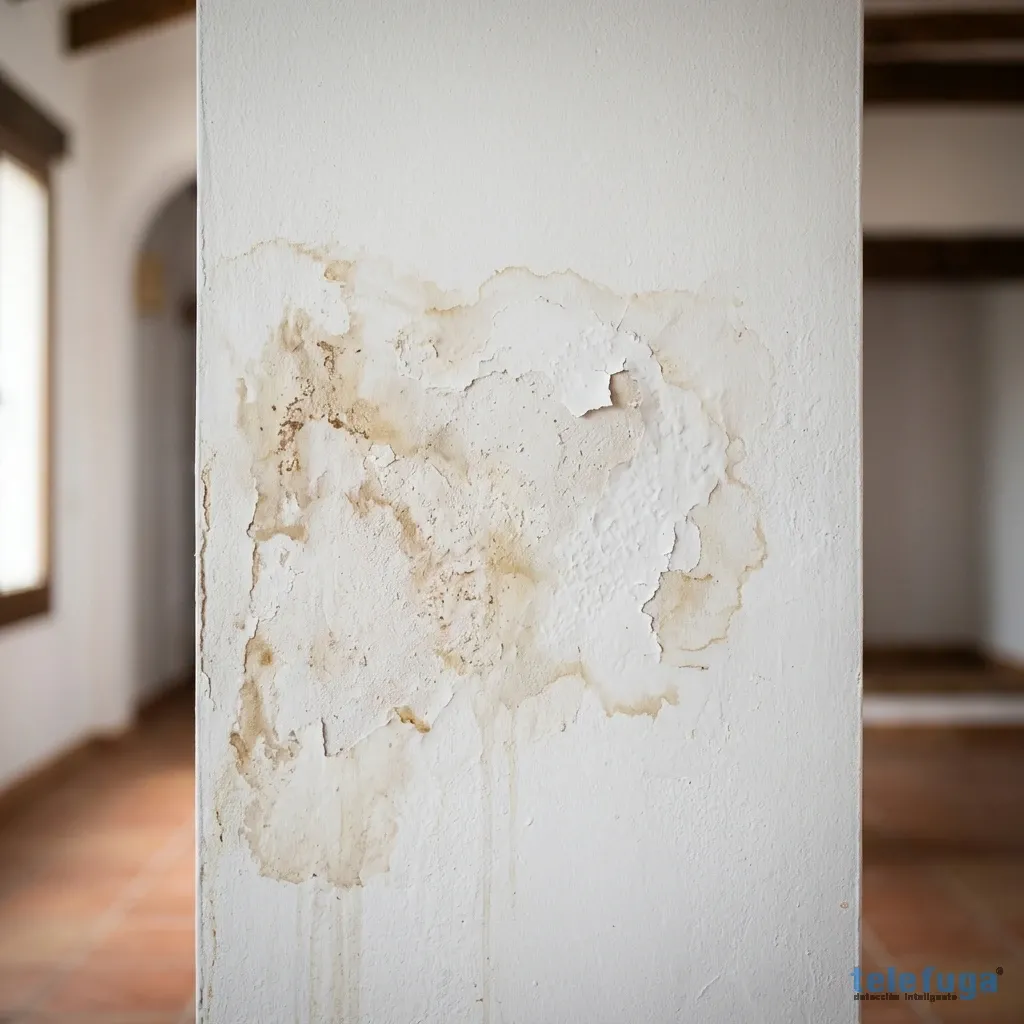
- Damp stains on walls or ceilings.
- Loss of pressure in the water system.
- Unusual noises coming from the pipes.
If you notice any of these symptoms, you need to act immediately. Remember that many leaks are invisible to the naked eye and require specialised techniques to detect.
Non-invasive leak detection methods
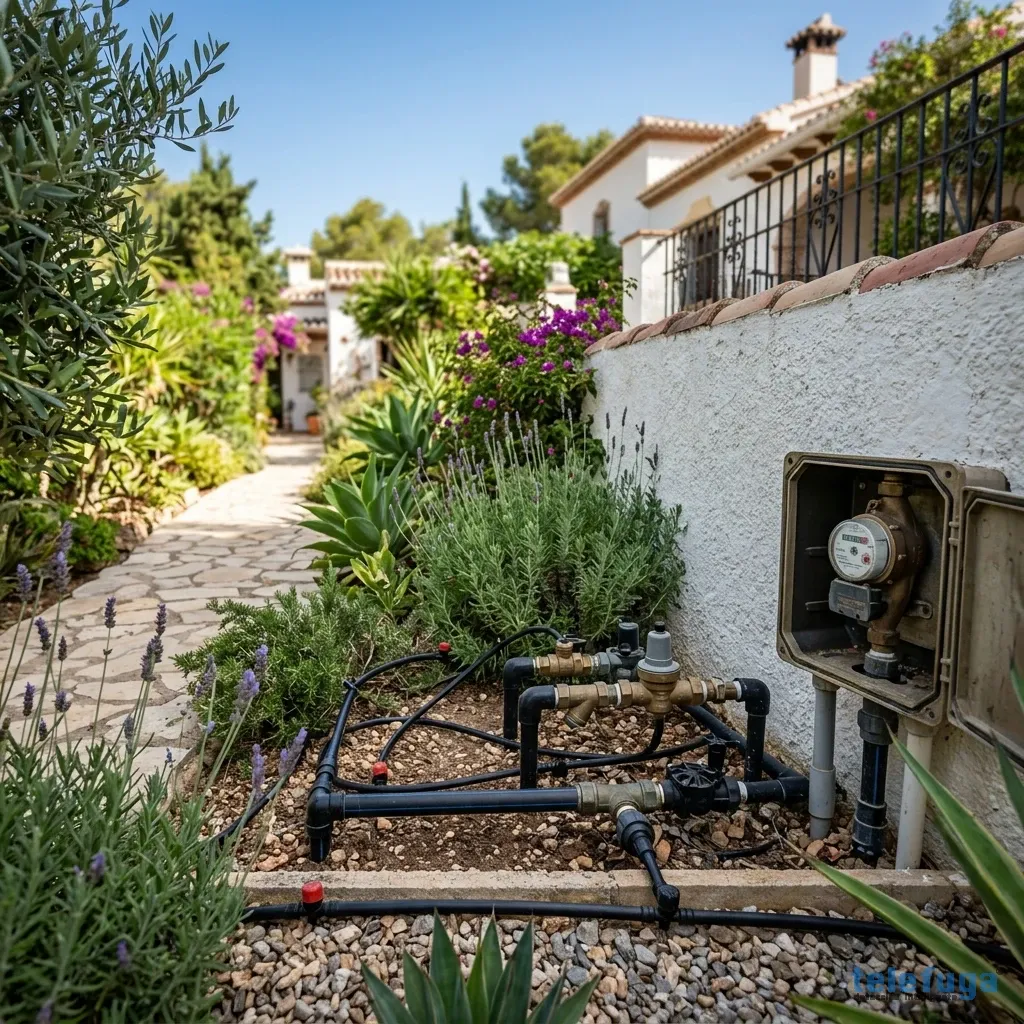
Leaks can be detected using different non-invasive methods, which avoids damage to your installations and gardens:
- Basic detection: It can start with checking the meter and a visual inspection.
- Tracer gas: This method involves introducing a non-toxic gas into the pipe, making it possible to locate the leak where the gas escapes.
- Geophone: By using an instrument that amplifies the sound of water, leaks in underground pipes can be identified.
- Thermal imaging camera: It detects temperature differences on surfaces, which can indicate the presence of water.
Comparison: traditional methods vs. modern technology
| Method | Advantages | Disadvantages |
|---|---|---|
| Traditional method | Easy to carry out. | May give imprecise results. |
| Tracer gas | High precision, non-invasive. | Requires specialised equipment. |
| Geophone | Effective detection in noisy areas. | Can be expensive. |
| Thermal imaging camera | Clear visualisation of the leak. | Requires investment in technology. |
Step by step: how to detect a water leak
Detecting a leak in your home or property may seem complicated, but here is a simple guide to do it successfully:
- Check your water meter and note the current reading.
- Stop using water for a few hours and check the meter again.
- If the meter shows an increase, there is a leak.
- Inspect the areas with damp stains.
- Consult a leak detection specialist if the signs persist.
Maintenance and prevention: how to avoid future leaks
Once a leak has been located and repaired, the next step is to set up a maintenance programme to prevent future incidents:
- Carry out regular checks of pipes and taps to detect wear.
- Install automatic shut-off valves on taps that are rarely used.
- Keep gardens well balanced to avoid overpressure in the pipes.
Regulations and risks associated with water leaks
In Spain, water regulations require all owners to keep their installations in a safe condition. Ignoring a leak can lead to fines and legal liability, as well as health risks from contaminated or stagnant water. It is therefore vital to know the local regulations and to act immediately at any sign of a leak.
FAQs
What should I do if I think I have a leak?
Contact a leak detection specialist to carry out a full inspection and pinpoint the problem.
How much does leak detection cost?
The cost of detection services can vary. Check our prices for non-invasive leak location.
Can water leaks affect health?
Yes, leaks can create conditions that favour mould growth, which can cause respiratory problems and other conditions.
How can I prevent leaks in my property?
Carry out regular maintenance, check your installations and consider installing monitoring technology.
Is leak detection always non-invasive?
Yes, there are modern methods that allow precise location without having to break structures.
Where can I get more information?
You can contact Telefuga on 693 888 444 or email info@telefuga.com.
Conclusion: don't let leaks spoil your summer
Water leaks are a serious problem, especially in the summer heat on the Mediterranean coast. Taking preventive measures and acting quickly at any sign will save you money and stress. Remember, we are here to help. The sooner we can locate the leak, the sooner you will stop losing money. Don't hesitate to contact us for more information.
This article is based on the experience of Telefuga, a company founded in 2010, with a success rate of 98%. We are proud to offer professional and effective solutions for the detection and repair of leaks without construction work.


