

Key Points
- Leaks in fire protection networks can have serious consequences if not detected in time.
- Non-invasive methods such as tracer gas are highly effective for leak detection.
- Regular maintenance can prevent most leaks in fire protection systems.
- Regulations establish key protocols for safety in fire protection systems.
- Contacting professionals for leak detection is crucial to minimize damage and costs.
Data updated in September 2026 — Information verified with internal data from Telefuga and real reviews from Google Maps.
What are leaks in fire protection networks?
Leaks in fire protection systems (FPS) are a critical concern for the safety of any facility. Often, these leaks can be difficult to detect due to their hidden nature, which can lead to serious issues such as decreased water pressure and increased operational costs. Early and accurate detection is essential to avoid severe damage and ensure the optimal functioning of these systems.
Historical Context and Legal Regulations
Fire protection networks have developed over the years, with regulations evolving to ensure structural and fire safety. Regulations such as the Technical Building Code (CTE) in Spain establish the necessary requirements to ensure the integrity and functionality of these systems. Proper installation and maintenance are essential to comply with these standards.
Common Causes of Leaks in FPS
Leaks in FPS can be caused by a variety of factors, including:
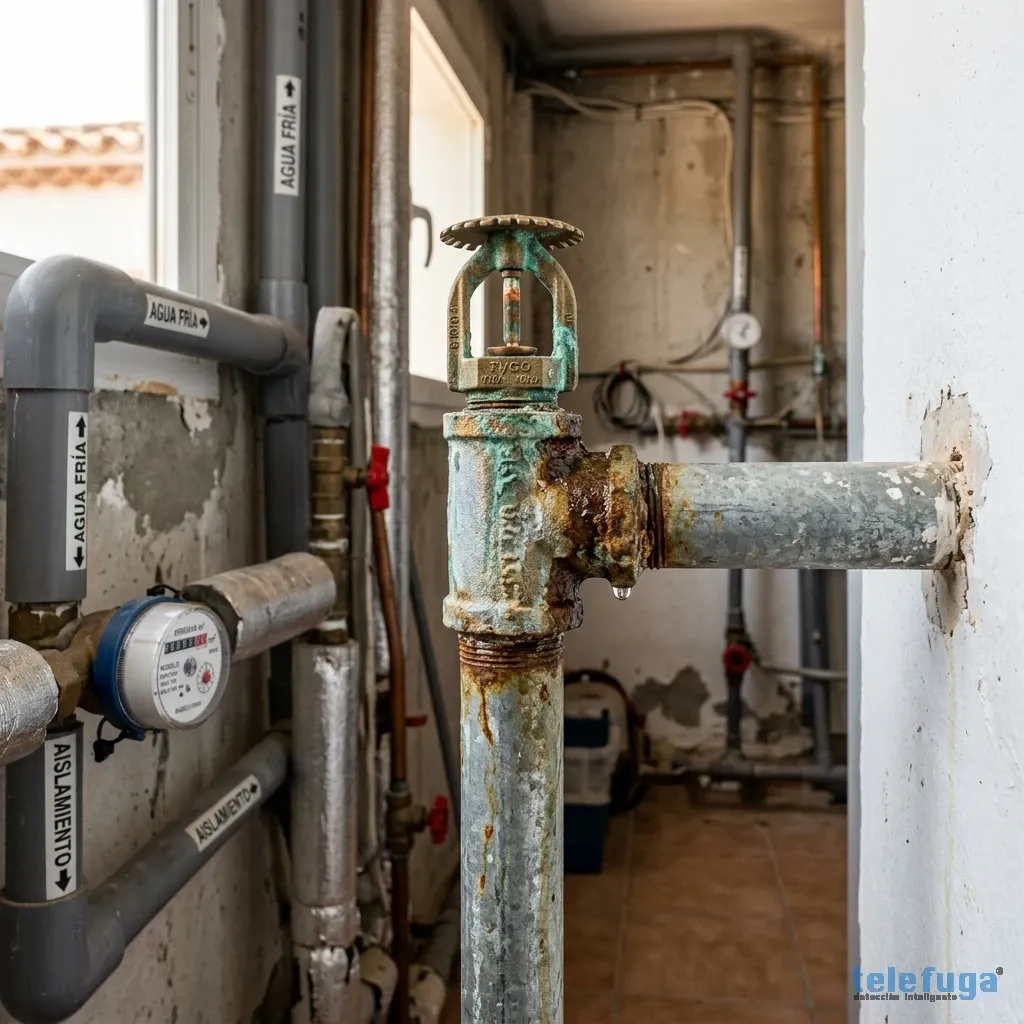
- Internal corrosion of pipes due to water quality.
- Structural movements affecting the integrity of the pipes.
- Improper installation or substandard practices.
- Leaks from poorly sealed joints or defective connection devices.
Available Detection Methods
There are several methods to detect leaks in FPS. Below, we will compare some of the most common:
| Method | Advantages | Disadvantages |
|---|---|---|
| Visual Detection | Easy and economical | May be ineffective with hidden leaks |
| Pressure Testing | Accuracy in identifying failures | Invasive procedure |
| Tracer Gas Detection | High precision without construction | Dependence on weather conditions |
| Use of Geophones | Very effective pinpoint detection | May require accessibility to the area |
Steps to Diagnose Leaks in FPS
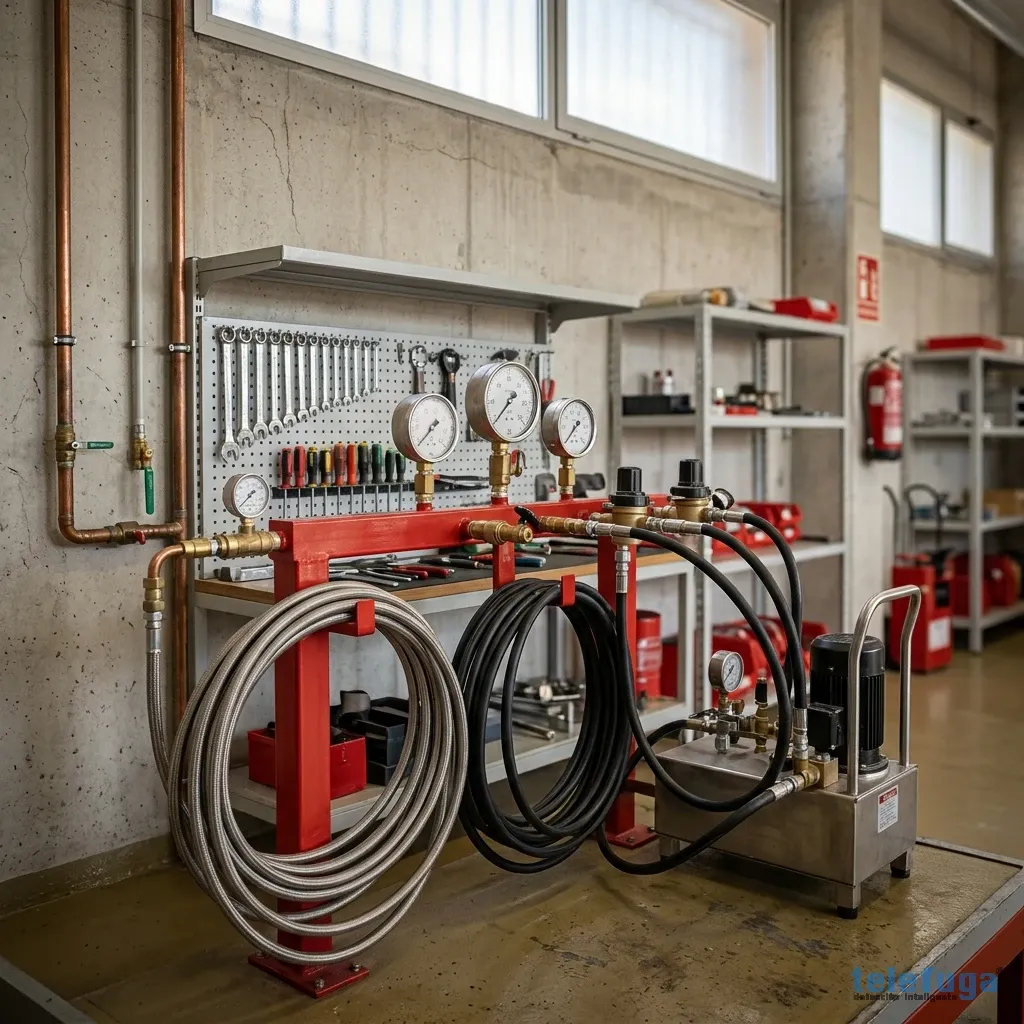
Locating leaks in fire protection networks should be a systematic process. Here is a step-by-step method:
- Initial Visual Inspection: Check the integrity of visible pipes and connections.
- Pressure Evaluation: Conduct pressure tests on the system to identify abnormal drops.
- Application of Detection Technology: Use tracer gas or geophone to detect inconsistencies.
- Confirm Detection: If a leak is detected, use confirmation methods to verify the exact location.
- Documentation: Record all findings and prepare a detailed report.
Preventive Maintenance
Regular maintenance can prevent many leaks before they occur. Some recommended practices include:
- Regularly check connections and joints.
- Discard water of any type of corrosion.
- Conduct periodic pressure tests.
Risks of Not Acting
Ignoring leaks in an FPS can lead to serious consequences:
- Reduction in water pressure, which could be fatal in case of fire.
- Unexpected damage to infrastructure, which could result in costly repairs.
- Possible fines for non-compliance with safety regulations and laws.
FAQs about Leak Detection in Fire Protection Networks
1. What is the cost of leak detection in FPS?
The price of detection depends on the technology used and the scope of the service. In general, it can start from 150€.
2. What methods are most effective for detecting hidden leaks?
Methods such as tracer gas detection and the use of geophones are highly effective for locating hidden leaks without the need for extensive construction.
3. How can I prevent leaks in my FPS?
The best way to prevent leaks is through regular maintenance, which includes inspections, pressure tests, and reviewing joints and connections.
4. How long does it take to detect a leak?
Leak detection can be completed in a few hours, depending on the method used and the complexity of the system.
5. What should I do if I find a leak?
Contact a professional to conduct a complete evaluation. Early detection is key to minimizing damage and costs.
Conclusion and Call to Action
Leak detection in fire protection networks is a critical aspect of safety in any facility. Implementing advanced detection methods such as tracer gas or geophone not only ensures effectiveness but also prevents future costs. If you suspect that your system needs an evaluation, do not hesitate to call Telefuga at 693 888 444 or send us an email to [email protected] to receive a detailed quote.


