

Key Points
- Leaks in fire protection networks can damage structures and compromise safety.
- Technologies such as Tracer Gas and Geophones allow for non-invasive leak detection.
- Regular maintenance is key to preventing future leaks and complying with regulations.
- Acting quickly upon detecting a leak minimizes damage and costs.
- The right experience and technology ensure reliable and effective diagnostics.
Data updated in September 2026 — Information verified with internal data from Telefuga and real reviews from Google Maps.
Introduction: An Urgent Problem
Leaks in fire protection networks are a serious issue that can compromise the safety of any facility. You may have received an inspection notice or noticed an unexpected increase in your water costs. Without an adequate solution, you could face penalties and damages that go beyond financial implications. In this article, we will guide you through the causes, the technology used, and the available solutions to effectively detect and repair leaks in fire protection systems.
What are Leaks in Fire Protection Networks
Leaks in fire protection networks can occur for various reasons, including:
- Natural wear of pipes.
- Corrosion due to exposure to various elements.
- Incorrect or deteriorated installations.
When a leak occurs, it can be difficult to detect, as it is often not visible to the naked eye. However, some signs may indicate a problem:
- Increased water consumption.
- Moisture stains on walls or ceilings.
- Reduced pressure in the system.
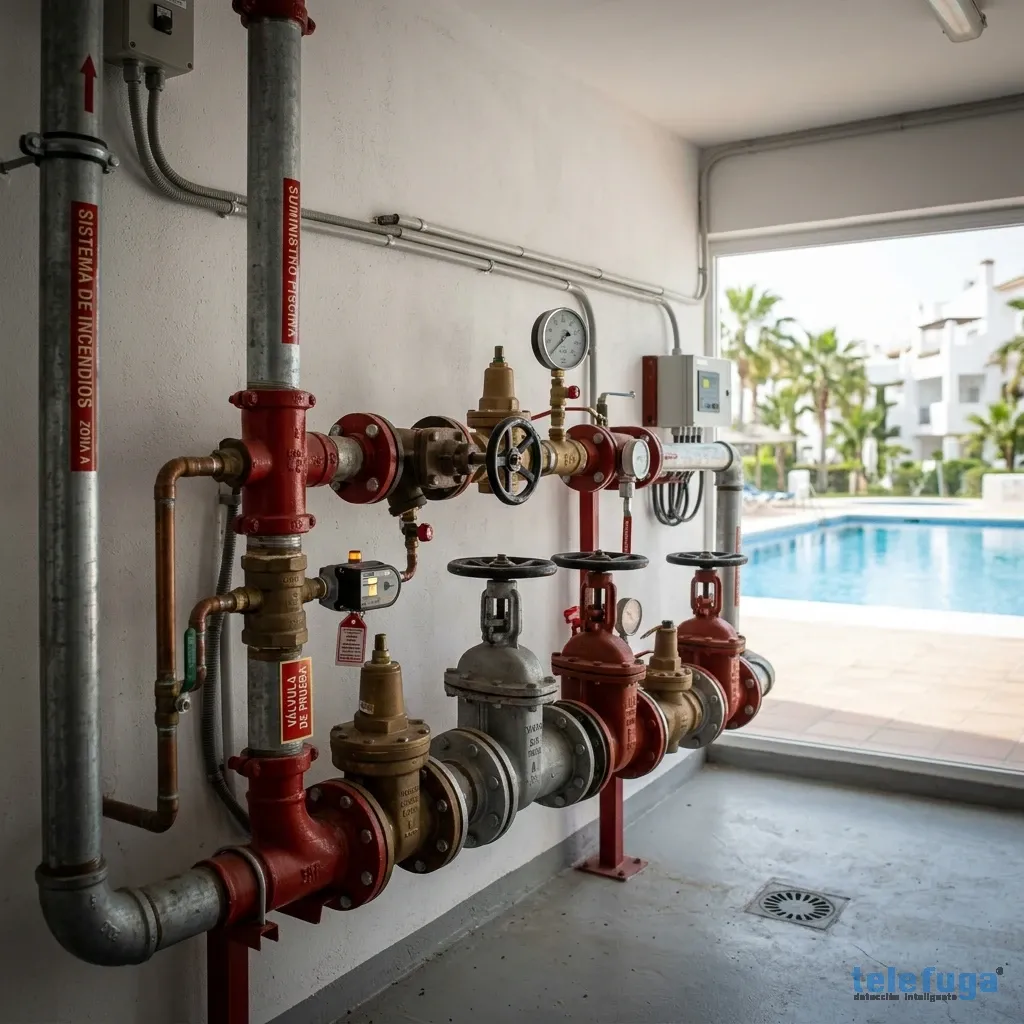
Causes and Diagnosis of Leaks
The reasons for leaks in fire protection networks can vary. A detailed technical evaluation is essential. Some of the most common causes include:
- **Poor installation**: Many leaks are due to installations that do not comply with current regulations.
- **Material wear**: Over time, pipes can lose their structural integrity.
- **Environmental conditions**: Factors such as extreme temperatures or water quality can affect the durability of pipes.
Early diagnosis is key to avoiding unnecessary expenses and ensuring that the system operates correctly. Traditional detection methods are often invasive, meaning that considerable work is often required to identify the source of the leak.
Leak Detection Methods: Comparison
There are a variety of technologies for detecting leaks in fire protection networks, some of which are more effective and less invasive than others. Below, we compare some of these methods:
| Method | Description | Advantages | Disadvantages |
|---|---|---|---|
| Visual Detection | Visual inspection of the system. | Provides a quick assessment. | Poor effectiveness in internal pipes. |
| Geophone Detection | Use of devices to listen for sounds of flowing water. | Non-invasive, allows for exact leak location. | May require hard-to-reach areas. |
| Tracer Gas | Injection of a gas into the system to trace the leak. | Highly effective and precise. | Requires specialized personnel. |
Telefuga Technology: Innovative Solutions
At Telefuga, we use advanced techniques such as Tracer Gas and Geophones to accurately locate leaks without the need for construction work. This not only reduces time and cost but also minimizes the impact on existing infrastructure.
Step by Step for Leak Detection
If you suspect that your fire protection system has a leak, follow this procedure:
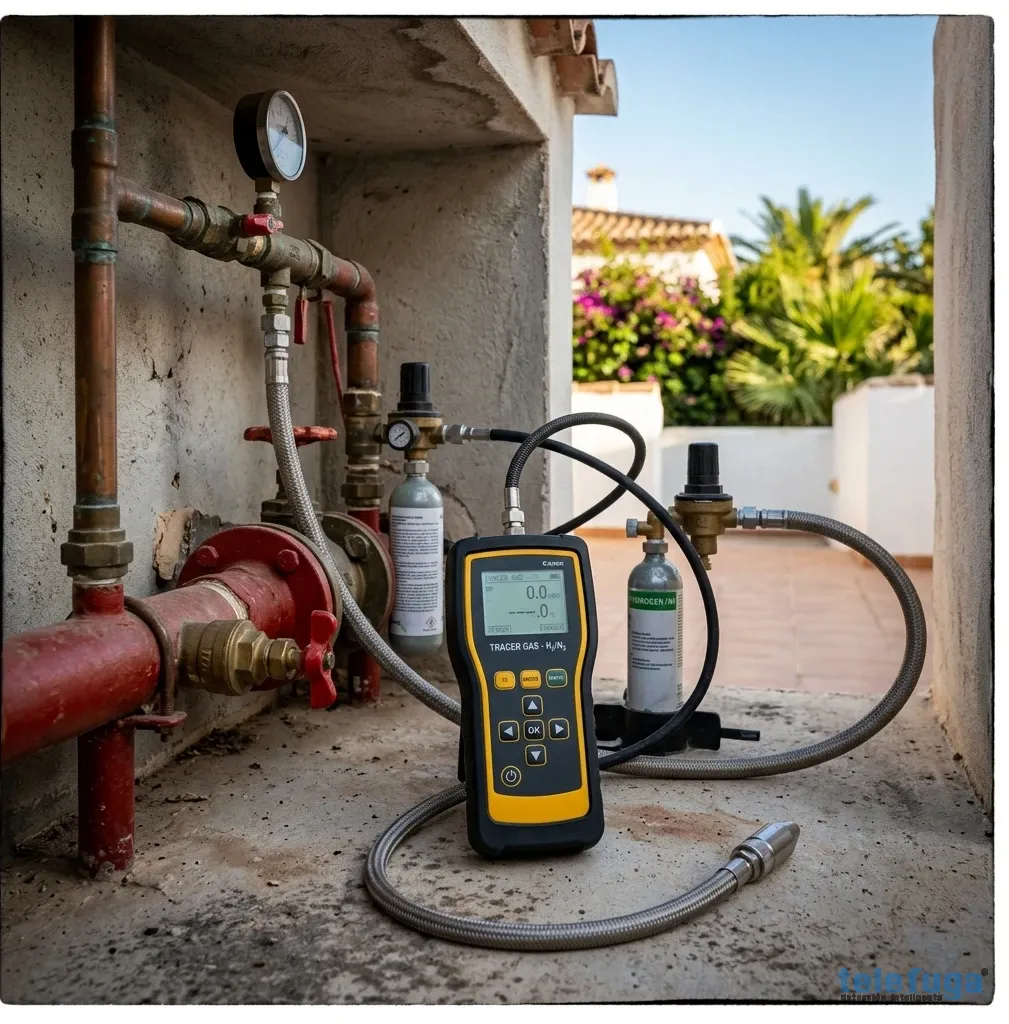
- **Initial Assessment**: Conduct a visual inspection and check for leak indicators.
- **Technology Selection**: Based on your system's configuration, decide which technology to use (Tracer Gas or Geophone).
- **Detection Execution**: A specialized technician will carry out the detection using the chosen technology.
- **Report and Estimate**: After detection, you will receive a detailed report on the system's status and an estimate for repairs.
- **Repair**: Solutions are implemented using non-invasive techniques, ensuring that your system operates effectively again.
Long-Term Maintenance and Prevention
Once the leak has been repaired, regular maintenance of the fire protection system is essential to prevent future problems. Some recommendations include:
- Conduct periodic inspections of the system.
- Limit exposure to corrosive elements.
- Keep a record of all repairs and maintenance performed.
Regulations and Associated Risks
It is essential to be aware of the current regulations related to the detection and repair of leaks in fire protection networks. Legislation requires that protection systems be capable of effectively detecting and locating leaks. Failure to comply with these regulations can result in severe penalties and affects the safety of all occupants of the building.


