
Key Points
- PCI networks are essential for emergency safety.
- Detecting leaks early can save significant costs.
- Advanced technology allows for non-invasive solutions to identify leaks.
- Regular maintenance is key to preventing leaks.
- Understanding legal regulations is crucial to avoid risks and penalties.
Introduction: Leaks in Fire Protection Networks
Fire protection networks are a fundamental part of safety in any facility. However, the presence of leaks can compromise their effectiveness. Have you noticed an increase in your water bills or received warnings about the condition of your network? This article will guide you through the causes, consequences, and solutions for leaks in PCI networks.
Data updated in September 2026 — Information verified with internal data from Telefuga and real reviews from Google Maps.
What are Fire Protection Networks?
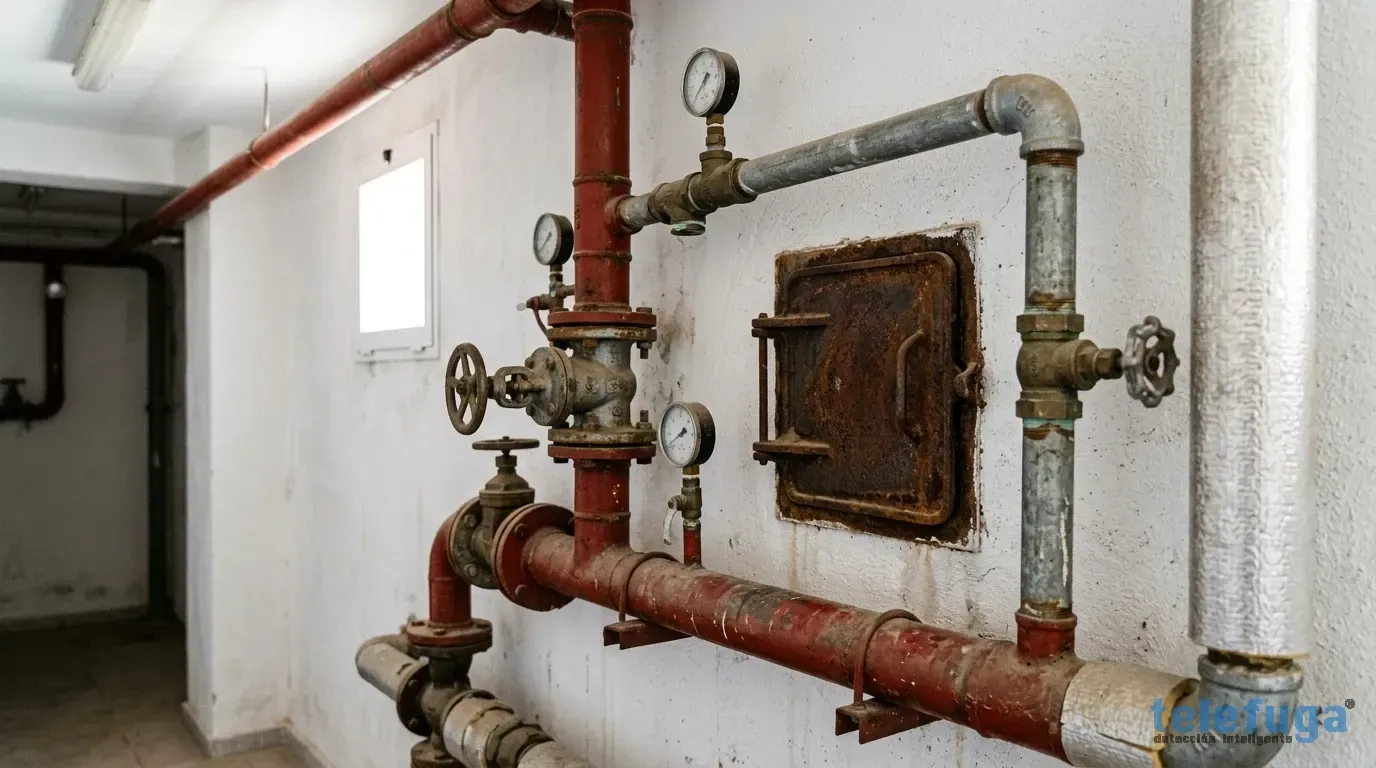
Fire protection networks are designed to provide a reliable water supply in case of emergency. However, a poorly maintained network can not only stop functioning but also generate high costs and safety risks.
Common Causes of Leaks in PCI Networks
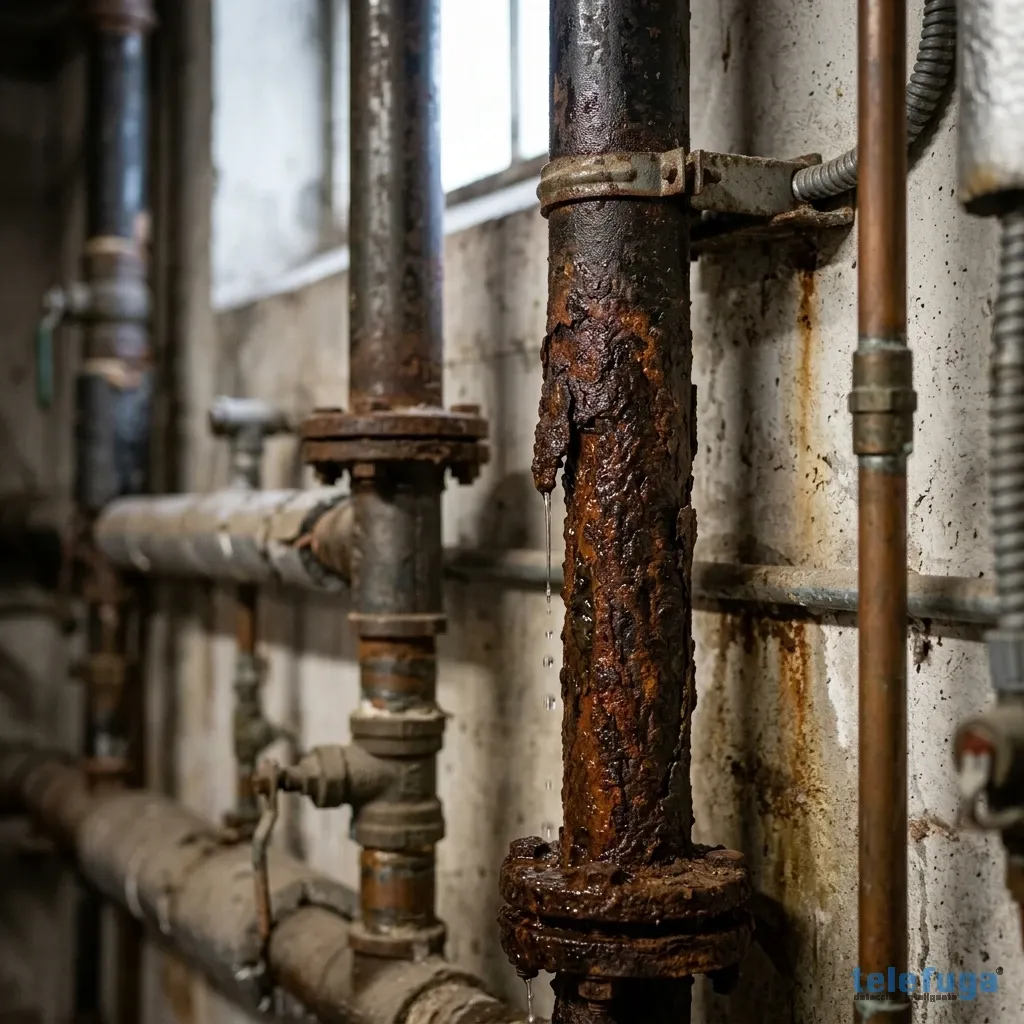
- Corrosion in pipes: The passage of time can deteriorate materials, especially in older networks.
- Environmental conditions: Sudden temperature changes or extreme humidity can affect the integrity of pipes.
- Defective installations: An inadequate installation from the beginning can lead to long-term problems.
Diagnosis and Leak Detection
Detecting leaks in PCI networks is not always straightforward, as they often occur in hidden places. Some signs that may indicate a leak include:
- Increased water consumption without apparent explanation.
- Visible symptoms such as dampness or stains on walls.
- Water noises in pipes when not in use.
Solution Methods: Technology Comparison
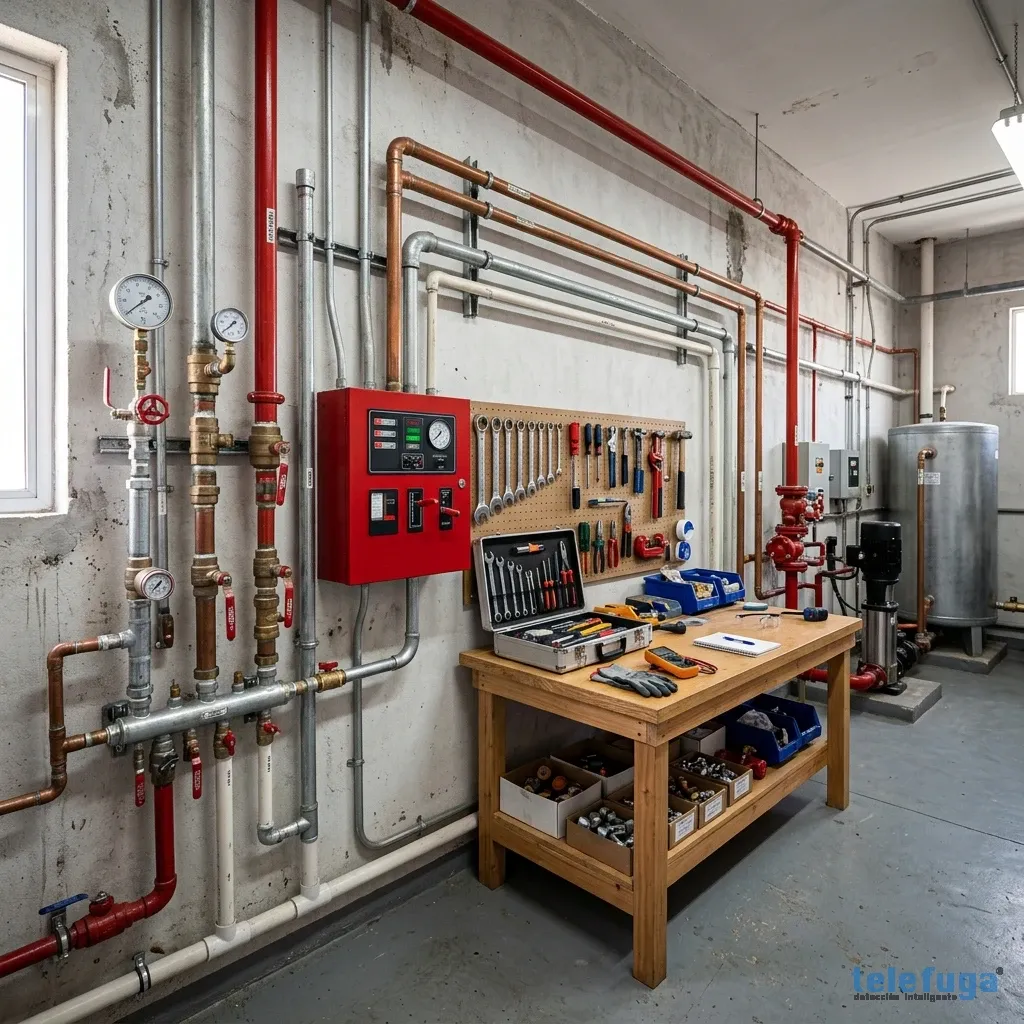
There are various techniques to detect and repair leaks in fire protection networks. Here we present a comparison between traditional methods and the solutions offered by Telefuga:
| Method | Description | Advantages |
|---|---|---|
| Traditional | Manual inspection and excavation | Visible costs, but can cause unnecessary damage |
| Advanced Detection Technologies | Tracer gas, geophone, and thermography | Less invasive, precise leak location. Saves time and costs in the long run. |
Step by Step for Leak Detection
1. **Visual inspection**: Look for obvious signs of dampness and damage.
2. **Water consumption monitoring**: Check your bills and observe patterns.
3. **Use of specialized technology**: Request tracer gas detection service for precise identification.
4. **Create a technical report**: This is crucial for the insurer in case of damages.
Maintenance and Leak Prevention
Regular maintenance of your PCI networks can significantly reduce the risk of leaks. This includes:
- Periodic reviews of the infrastructure.
- Use of appropriate and quality materials in construction.
- Installation of monitoring systems that detect leaks in real-time.
Legal Regulations and Associated Risks
Fire protection networks are subject to strict regulations. According to European and Spanish regulations, it is mandatory:
- To ensure that networks are reviewed and maintained according to established standards.
- To conduct periodic reports to guarantee their operability.
Consequences of Ignoring the Problem
Failing to act on a leak can lead to:
- Severe structural damage to the property.
- Increased insurance premiums or even conflicts with the insurer.
- Health risks for occupants that may arise from dampness and mold.
FAQs about Leaks in Fire Protection Networks
What are the warning signs of a leak in the PCI network?
The main signs include an increase in water consumption, damp spots on walls, and water noises when not in use.
What solutions does Telefuga offer to detect leaks?
Telefuga uses advanced technology such as tracer gas and geophones to detect leaks non-invasively.
Is it possible to repair a leak without causing unnecessary damage?
Yes, thanks to modern detection techniques, it is possible to locate and repair the leak without the need for extensive excavations.
How often should I check PCI networks?
It is recommended to conduct reviews at least once a year and whenever a leak is suspected.
What regulations govern fire protection networks in Spain?
There are several regulations that govern installation and maintenance, including the UNE 23500 standard.
Conclusion: Act Before It's Too Late
Fire protection networks are vital for the safety of any facility. Not waiting for leaks to become a bigger problem will allow you to save costs and ensure the effectiveness of your network. If you suspect you may have a leak, do not hesitate to contact Telefuga for precise and professional detection. We are here to help you.


