

Key Points
- Early detection of leaks can prevent structural damage and health issues.
- There are non-invasive methods to locate water leaks, such as tracer gas and geophones.
- Legal regulations require proper maintenance of plumbing installations.
- Level tests are essential for detecting leaks in pools.
- Prevention and regular maintenance are the best ways to avoid future problems.
Data updated in September 2026 — Information verified with internal data from Telefuga and real reviews from Google Maps.
Introduction: Common Concerns About Water Leaks
Receiving an unexpectedly high water bill or a notice from your insurance company about possible excessive consumption can be alarming. If you identify with these situations, you may be dealing with a water leak, a common problem that can have severe consequences if not acted upon quickly.
What is a Leak and How is it Detected?
A water leak occurs when water escapes from your home's plumbing system. Many leaks are invisible to the naked eye, making them a silent threat. Some of the most common signs that may indicate the existence of a leak include:
- Water meter that keeps turning even when no water is being used.
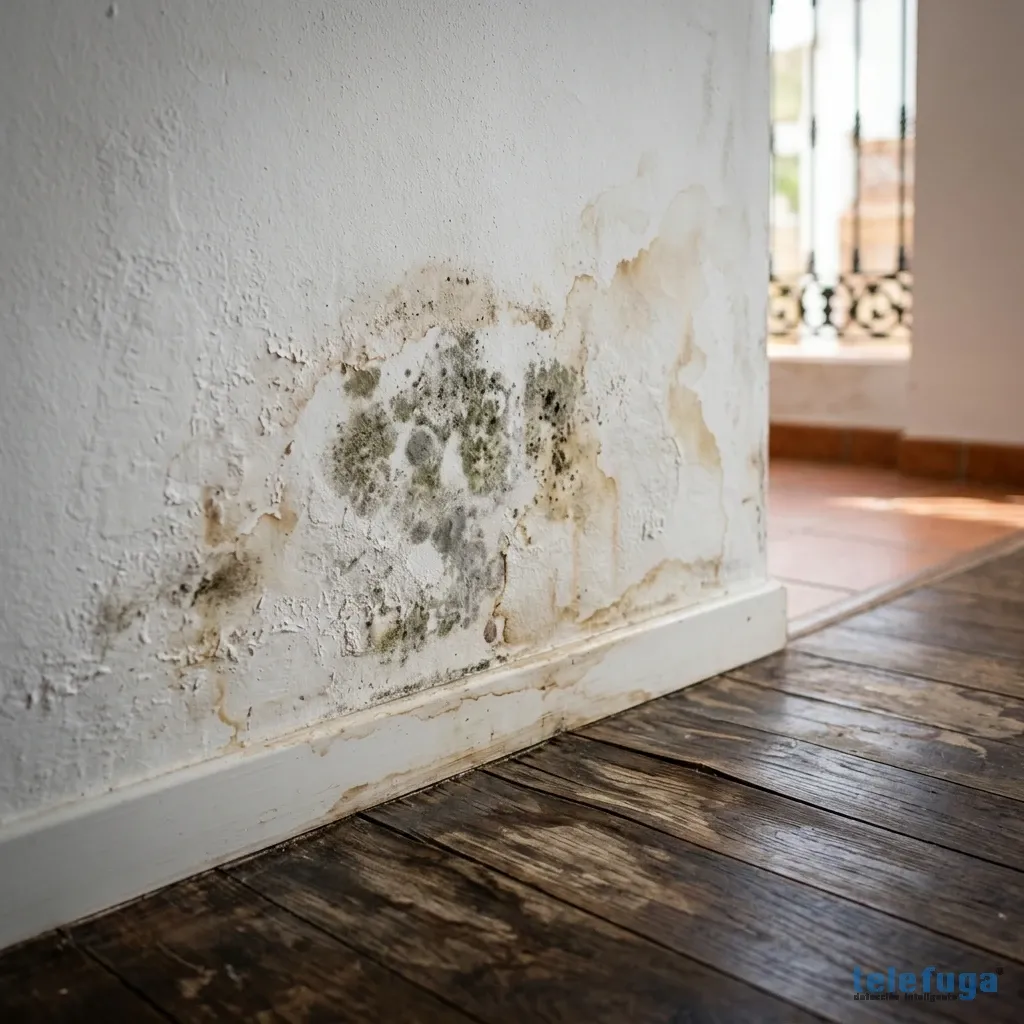
- Visible moisture on walls or ceilings, or the appearance of mold.
- Loss of pressure in faucets.
- Unusual noises in the pipes, such as gurgling or bubbling.
The Moment of the Notice or the Bill
When you receive a letter from the water company warning you about excessive consumption, it is crucial not to ignore this signal. Every day that passes with an unattended leak, you are losing money and increasing the risk of additional damage. Dealing with a leak in time can save you both hassle and long-term repair costs.
Risks of Not Acting
Failing to address a water leak in time can have serious consequences:
- Structural Damage: Leaks can erode the foundations of your home and cause cracks in the walls.
- Health: The accumulation of moisture can lead to health problems, such as mold, which affects indoor air quality.
- Conflicts with Neighbors: If you live in a community, leaks may affect other residents.
- Problems with Insurers: Ignoring leaks could complicate your insurance coverage in case of damage.
Professional Solutions Without Construction
Technology has advanced significantly in the field of leak detection. Instead of breaking structures, there are advanced methods such as:
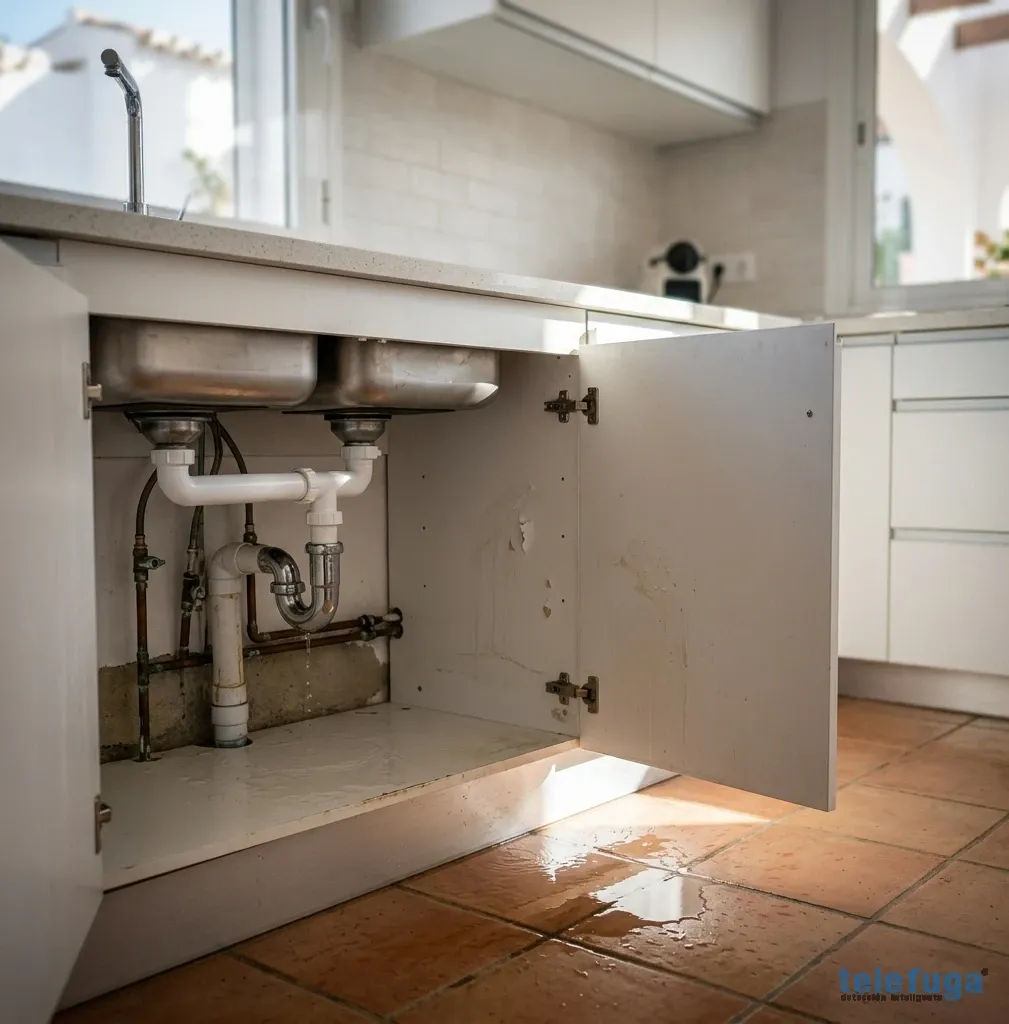
- Tracer Gas: An effective method that uses non-toxic gas to identify the exact location of a leak without the need for construction.
- Geophone: A device that amplifies the sounds of leaks in underground pipes, allowing for precise localization.
- Thermography: This technique uses thermal cameras to detect temperature changes that may indicate leaks.
By choosing a detection service like Telefuga, you ensure accurate localization, avoiding costly repairs and inconveniences. This is essential to maximize savings and minimize damage.
How to Detect Leaks in a Pool?
If you suspect a leak in your pool, there are specific methodologies to verify it. Here are the steps to follow:
- Conduct a level test: Mark the water level on the side of the pool and wait 24 hours. If the water level drops significantly, there is a leak.
- Check the skimmer joints and drains: These are often critical points where leaks can occur.
- Use a geophone focused on leak detection in pools, which can provide accurate data about where the leak is occurring.
It is advisable to consult a professional for effective repair of skimmers and cracks if you detect any irregularities.
Maintenance and Prevention
Prevention is key to avoiding leaks. Here are some strategies:
- Conduct regular checks on plumbing installations and heating systems.
- Keep a constant track of water consumption to detect unexpected changes.
- Whenever you carry out renovation work in your home, check the condition of the pipes and document any modifications made.
Regulations and Associated Risks
It is important to highlight that managing water leaks is not only relevant for economic savings but also from a legal and health perspective. Legislation in Spain requires that homeowners' associations maintain plumbing installations in good condition to avoid damage to the community. Ignoring these problems could imply legal responsibilities.
FAQs
How do I know if I have a water leak at home?
Check your water meter and installations for signs of moisture or changes in water pressure.
What should I do if I detect a leak?
Contact a specialist who uses non-invasive detection technologies to confirm and repair the leak as soon as possible.
Can I locate leaks in my pool on my own?
Yes, you can conduct level tests. However, it is ideal to consult with a professional who has experience with specialized equipment.
What is the cost of repairing a leak?
The cost can vary depending on the method used and the location of the leak. It is advisable to request a quote from a specialist.
Is it necessary to do construction to repair a leak?
Not always. Modern methods such as tracer gas or geophones allow for detection without breaking structures.
Conclusion
Effectively detecting water leaks is critical to avoid greater damage and unexpected savings on your bills. If you identify any warning signs, do not hesitate to act quickly. Remember, the sooner you locate the leak, the less money you will lose. Contact us now at 693 888 444 or send us an email at [email protected] for immediate assistance.


