

Key Points
- Leak detection with tracer gas is accurate and non-invasive.
- Ignoring water leaks can lead to very high costs in structural damage.
- Implementing regular maintenance is crucial to prevent future leaks.
- It is important to choose a specialized professional for leak detection.
- Detecting leaks on time can save up to 30% on water costs.
Data updated in September 2026 — Information verified with internal data from Telefuga and real reviews from Google Maps.
Introduction: The Problem of Water Leaks
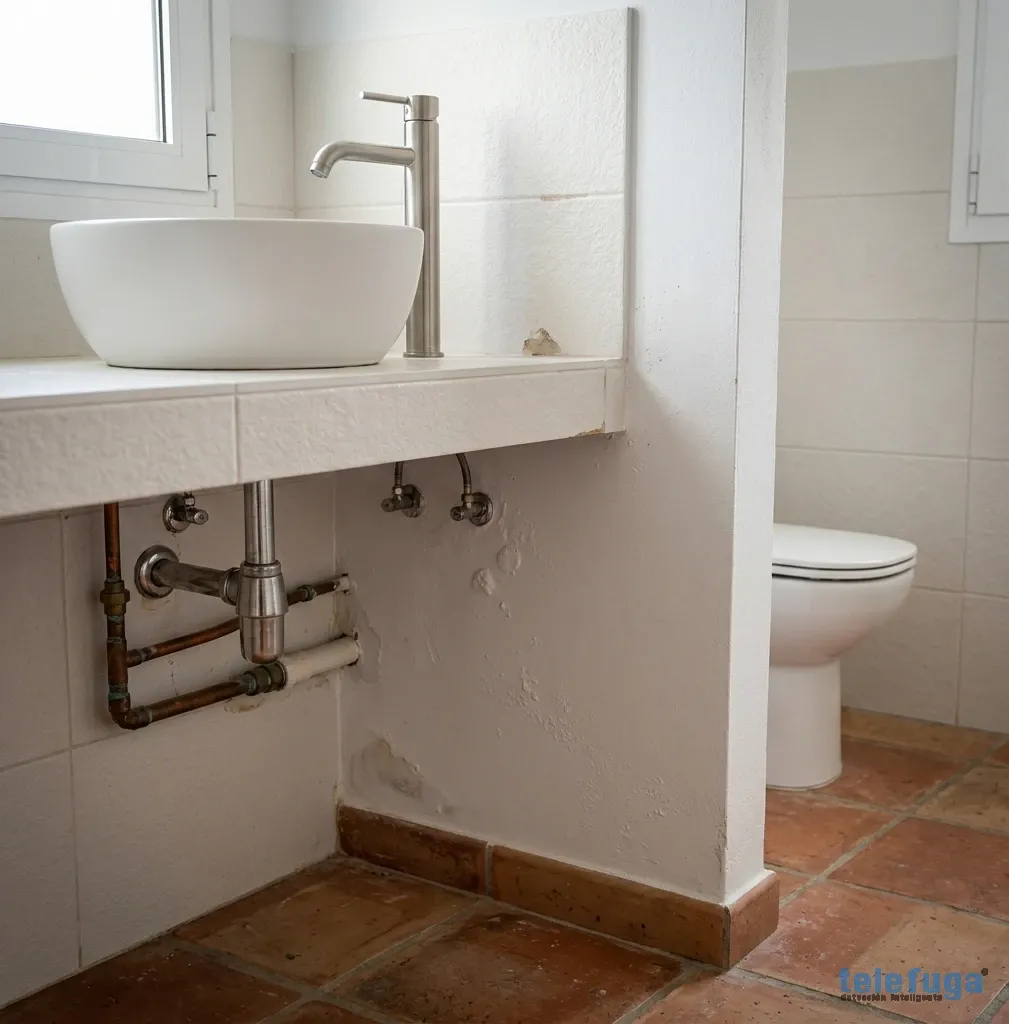
You have been receiving unusually high water bills and several damp spots have started to appear on the walls of your home, leaving a trail of concerns about the state of your property. On top of that, the water company has notified you of excessive consumption. Do you relate to this? You are not alone in this situation. Water leaks are a common problem in many homes and buildings, and early detection is crucial to avoid greater damage and unnecessary costs.
What is Leak Detection with Tracer Gas?
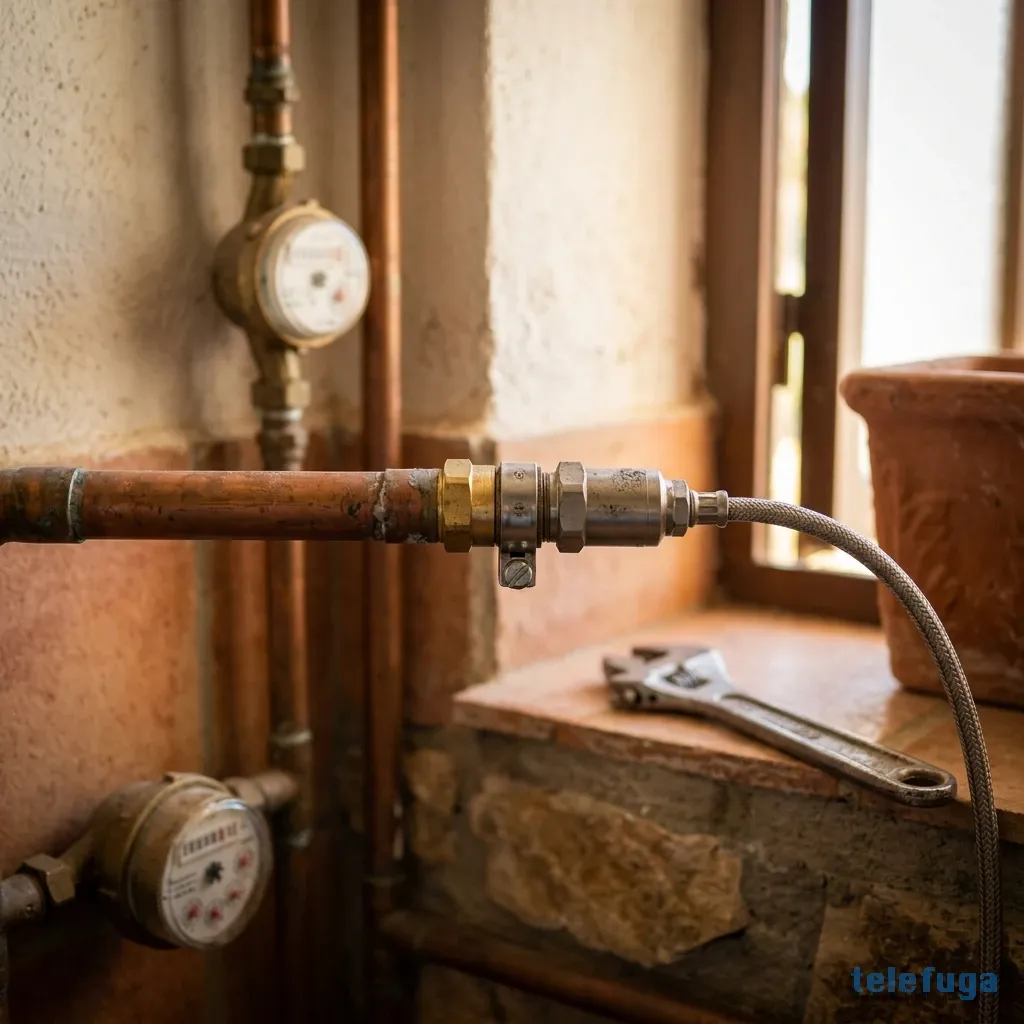
Leak detection with tracer gas is an advanced technique used to locate hidden leaks in piping systems without the need for invasive work. This method is based on the introduction of an inert gas, usually helium or hydrogen, into the pipes. If there is a leak, the gas will escape and will be detected by specialized equipment.
Common Causes of Water Leaks
- Natural Wear: Pipes wear out over time due to use and environmental conditions.
- Corrosion: Metallic materials, such as copper and iron, can corrode and create cracks.
- Defective Installations: Poor initial installation can lead to leaks over time.
- Extreme Temperatures: Freezing or sudden temperature changes can affect pipes.
How is Diagnosis with Tracer Gas Performed?
The process for detecting leaks with tracer gas is quick and effective. Specialized technicians perform the following steps:
- Initial Inspection: The piping system is evaluated and areas of possible leaks are identified.
- Introduce the Tracer Gas: The gas is injected into the system, ensuring that the entire assembly is pressurized.
- Detection: Using a highly sensitive sensor, the location where the gas escapes from the system is tracked.
- Report: A detailed report is provided on the leak location and repair recommendations.
Comparison of Leak Detection Methods
| Method | Advantages | Disadvantages |
|---|---|---|
| Visual Detection | Cost-effective and easy to perform | Less accurate, may miss hidden leaks |
| Ultrasound | Fast and effective in some cases | May not detect underground leaks |
| Tracer Gas | High precision; non-invasive; quick results | Initial cost may be higher |
Steps to Perform Leak Detection with Tracer Gas
If you suspect you have a leak, here are the steps you can follow:
- Contact a specialized leak detection professional.
- Request a quote explaining the problem you are facing.
- Allow the technician to perform a complete inspection of the piping system.
- Confirm the introduction of the tracer gas and the obtaining of results.
- Receive the report and make decisions about necessary repairs.
Maintenance and Prevention of Water Leaks
Once you have located and repaired the leak, it is crucial to implement a regular maintenance program to maximize the lifespan of your installations:
- Periodic inspections of the piping system, at least once a year.
- Check the connections and joints of the pipes to ensure there is no corrosion.
- Monitor the water meter; unusual changes may indicate new leaks.
Regulations and Risks Associated with Water Leaks
In Spain, regulations on the protection of water resources and management establish the importance of leak detection and repair. Ignoring a leak not only implies an associated economic cost but can also cause structural damage to the home, mold that affects health, and conflicts with neighbors or insurance companies.
According to studies, 80% of undetected leaks can cause serious long-term damage, and often, they are a determining factor in the loss of property value. Protecting your home is investing in its future.
Frequently Asked Questions
How can I know if I have a water leak at home?
Generally, an unusually high water bill and the presence of damp spots indicate possible leaks. Additionally, hearing water noises or noticing pressure loss in faucets are warning signs.
What is tracer gas and how is it used?
Tracer gas is a mixture of helium or hydrogen used in leak detection. It is injected into the system and the area where the gas escapes is sought, providing accurate detection without the need to break structures.
Is pipe repair necessary after detection?
Yes, once the leak is located, it is important to proceed with proper repair to avoid further damage and high costs in the future.
How much does it cost to perform leak detection with tracer gas?
The cost can vary depending on the complexity of the piping system, but in many cases, the investment is less than the cost of damages that an unrepaired leak can generate.
How do I choose a good professional to detect leaks?
It is important to look for specialized companies with experience in leak detection. Check the reputation and reviews of previous clients.
What technology do you use at Telefuga for leak detection?
At Telefuga, we use tracer gas, ultrasound, and thermography technology, depending on the type of leak and the situation of the environment, ensuring effective and quick results.
Conclusion: Don't Let a Leak Become a Bigger Problem
Leak detection with tracer gas is the most effective and non-invasive solution to address leak problems in your home or business. Don't let a small leak turn into a big problem. The sooner we locate the leak, the sooner you will stop losing money. If you suspect you may have a leak, contact our experts at Telefuga and request a professional diagnosis today.
Contact
Phone: 693 888 444
Email: [email protected]


