

Key Points
- Leaks in fire protection networks can be deadly if not managed properly.
- The use of advanced technology ensures quick and accurate detection.
- Preventive maintenance is crucial for the safety and effectiveness of the system.
- Installations must comply with strict regulations to avoid penalties.
- Experts like Telefuga offer innovative and non-invasive solutions.
Introduction: The Importance of Leak Detection in Fire Protection Networks
Data updated in September 2026 — Information verified with internal data from Telefuga and real reviews from Google Maps.
Safety in industrial and commercial facilities is essential, and one of the keys to ensuring it is the proper functioning of fire protection networks. Water leaks in these networks can not only compromise the effectiveness of extinguishing systems but also pose a significant risk to the safety of people and property. If you suspect that your fire protection network has a leak, it is crucial to act immediately.
What are leaks in fire protection networks?
Leaks in fire protection networks can occur due to various factors, including:
- Corrosion of pipes
- Defective installations
- Inadequate maintenance routines
- Adverse environmental conditions
These leaks can manifest in subtle ways, such as loss of pressure in the system or damp areas near the installation that are not immediately obvious.
Causes and Diagnosis of Leaks in Fire Protection Networks
Some of the most common signs that may indicate a leak include:
- Unusual increase in water consumption
- Water noises in the pipes
- Visible moisture on walls or ceilings
- Pressure drops in the water system
A proper diagnosis should be carried out using advanced techniques that avoid further damage to the existing infrastructure.
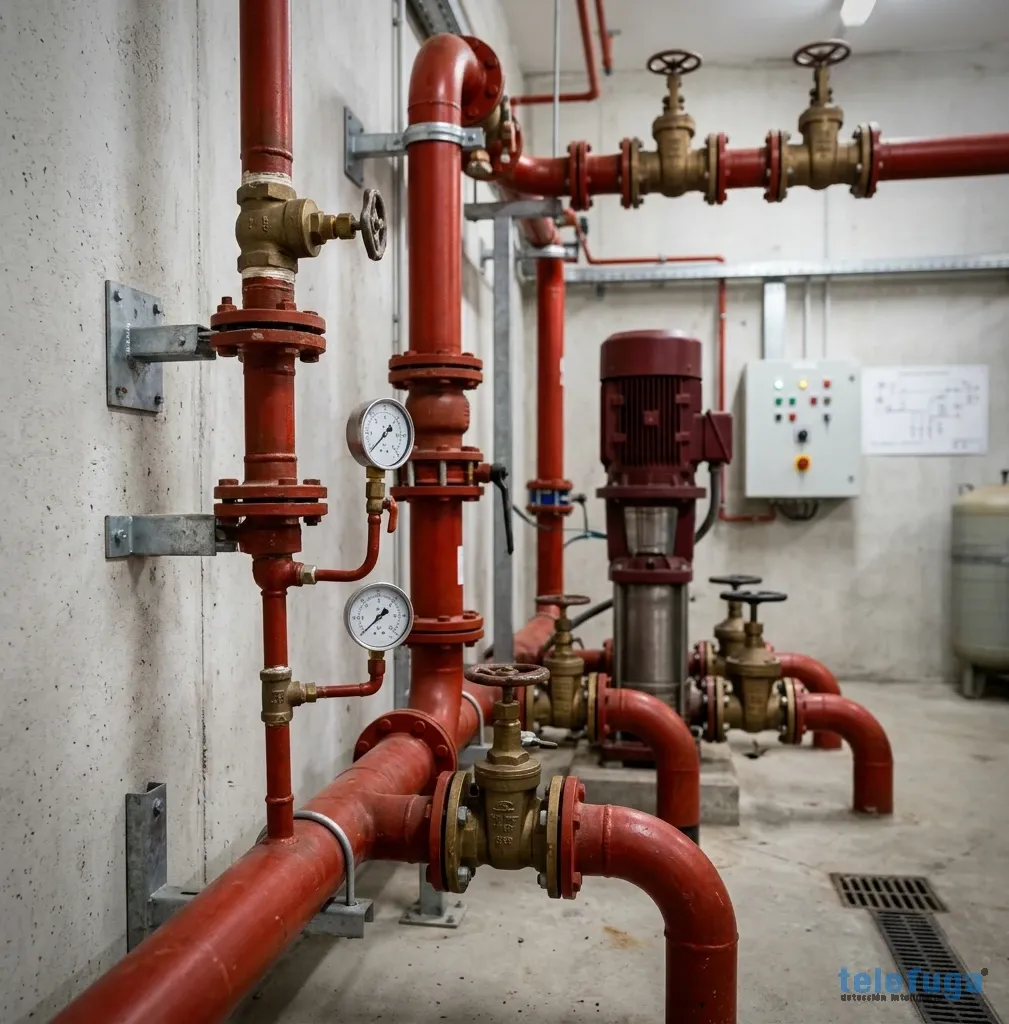
Solution Methods: Comparison of Advanced Technologies
Currently, there are various technologies to detect leaks in fire protection networks, each with its own advantages:
| Method | Description | Advantages | Limitations |
|---|---|---|---|
| Tracer Gas Detection | Injection of gas into the network that escapes through leaks. | High precision and non-invasive. | Can be costly. |
| Geophone Detection | Use of acoustic microphones to capture sounds of leaks. | Fast and effective for specific locations. | Depends on the acoustic conditions of the environment. |
| Thermography | Use of infrared cameras to detect temperature differences. | Does not require direct contact, detects hidden leaks. | Specific conditions may be required to be effective. |
The Telefuga technology focuses on solutions without construction, ensuring that interventions are minimal and non-invasive.
Step by Step: How to Detect Leaks in Fire Protection Networks
Here we show you a practical method for leak detection:
- System Monitoring: Start by tracking water consumption and check for significant differences.
- Visual Inspection: Check pipes and connections for obvious signs of moisture or corrosion.
- Application of Technology: Use methods such as tracer gas or geophone to locate hidden problems accurately.
- Results Evaluation: Analyze the data obtained and proceed with necessary repairs.
Maintenance and Prevention: Improving the Lifespan of Fire Protection Networks
Regular maintenance is key to preventing leaks in fire protection networks. Some recommended practices include:
- Periodic inspections of pipes.
- Review of valves and connections during each maintenance.
- Training of maintenance personnel in early leak detection.
- Use of advanced technology for routine diagnostics.
Regulations and Risks Associated with Leaks in Fire Protection Systems
According to current regulations, fire protection networks must meet certain standards that ensure not only their effectiveness but also the safety of property and people:
- Installations must follow the guidelines established in the Technical Building Code.
- Validation of installations by experts becomes essential to ensure their operation.
- Undetected leaks can lead to fines and even cessation of activity in some sectors.
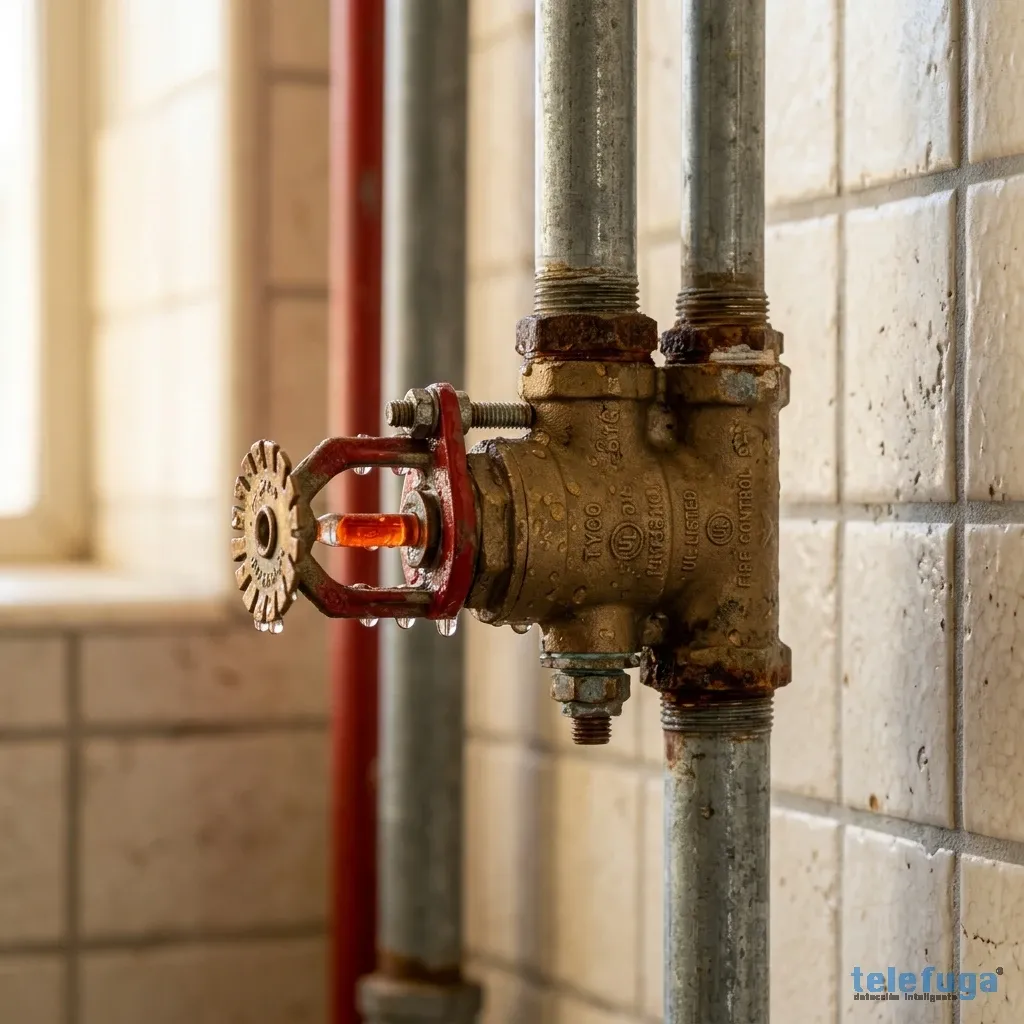
Frequently Asked Questions about Leak Detection in Fire Protection Networks
How do I know if there is a leak in my fire protection network?
Starting by monitoring water consumption and visually inspecting the installations, signs of leaks can be detected. Additionally, it is recommended to use professional detection technology.
What should I do if I find a leak?
It is essential to contact a specialized professional immediately for an evaluation and proper repair.
How often should I perform maintenance on my fire protection networks?
A periodic review is advised at least once a year, or more frequently if conditions require it.
Can leaks in fire protection networks affect safety?
Yes, a leak not only compromises the extinguishing system but can also result in risk situations for people and property.
What technologies are most effective for leak detection?
Tracer gas detection and the use of geophones are two of the most precise and effective technologies on the current market for locating leaks without causing damage.
Conclusion: The Key is Prevention and Specialized Technology
Detecting leaks in fire protection networks is a process that requires attention, advanced technology, and a rigorous maintenance plan. With over 16 years of experience and a 98% success rate, Telefuga is here to help you protect what matters most. Don't let a leak compromise the safety of your facilities.
Contact us today! We are available at 693 888 444 or via [email protected]. Your safety is our priority.


