
Key Points
- Early leak detection in PCI networks is vital for safety and economic savings.
- There are various technologies available that allow for precise and non-invasive detections.
- Regular maintenance can prevent leaks and ensure the effectiveness of the PCI system.
- Failing to act on leaks can have significant legal and economic consequences.
- A detailed record of inspections can help better track the status of the system.
Data updated in September 2026 — Information verified with internal data from Telefuga and real reviews from Google Maps.
Introduction: The Importance of Detecting Leaks in Fire Protection Networks
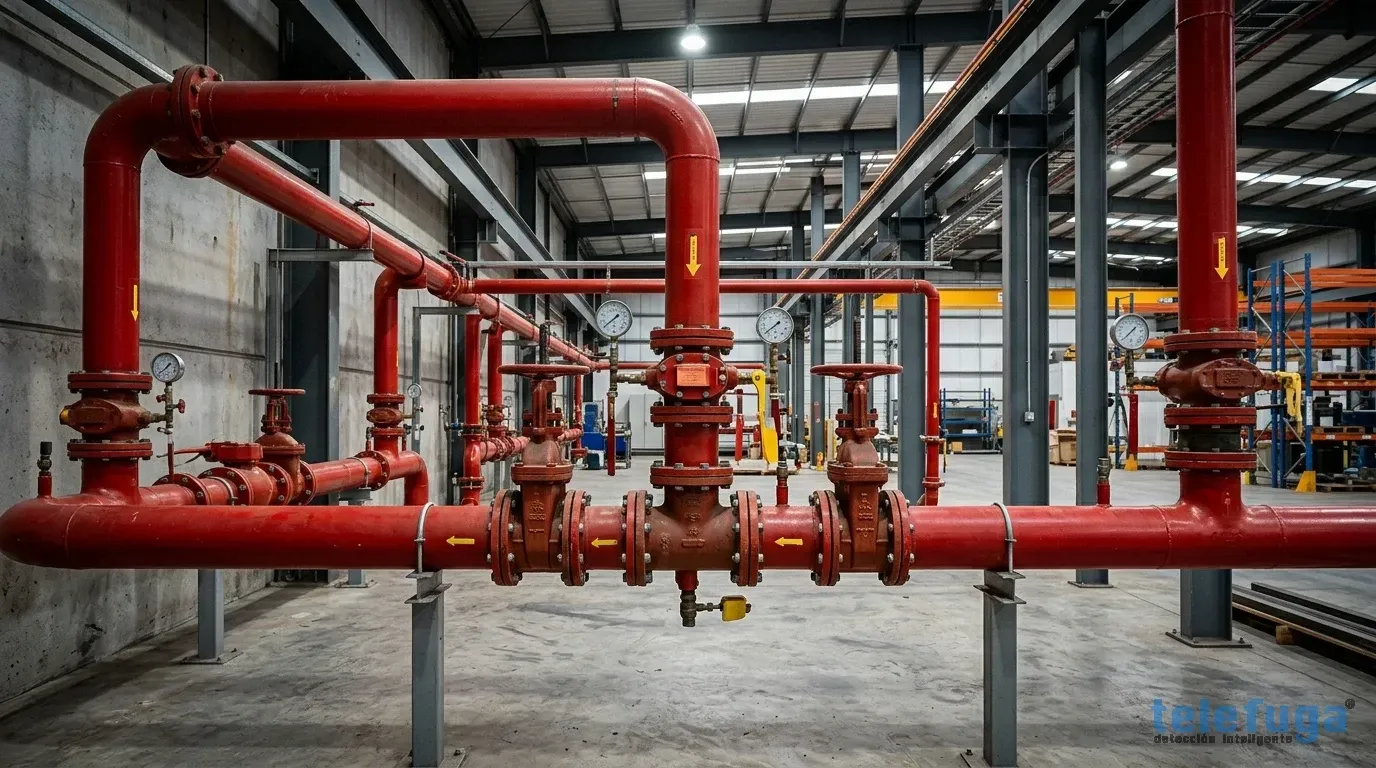
Fire protection networks (PCI) are essential for ensuring the safety of commercial and industrial facilities. You may receive a notification of some irregularity in your PCI system, or perhaps you are concerned about the possibility of a leak that compromises its effectiveness. Here, we will show you the importance of detecting leaks in fire protection networks and how to do it efficiently.
What is a Leak in Fire Protection Networks?
Leaks in fire protection networks can arise from various parts of the system, such as valves, joints, or deteriorated pipes. These leaks not only compromise safety; they can also lead to considerable economic expenditure and affect the overall performance of the system.
Common Causes of Leaks in PCI Networks
- Natural Deterioration: Over time, pipes and connections can deteriorate, especially if exposed to sudden temperature changes.
- Inadequate Installations: Incorrect design or installation can lead to weak points prone to leaks.
- Low-Quality Materials: Using unsuitable materials for PCI compromises the entire installation and can result in failures.
Leak Detection Methods in PCI Networks
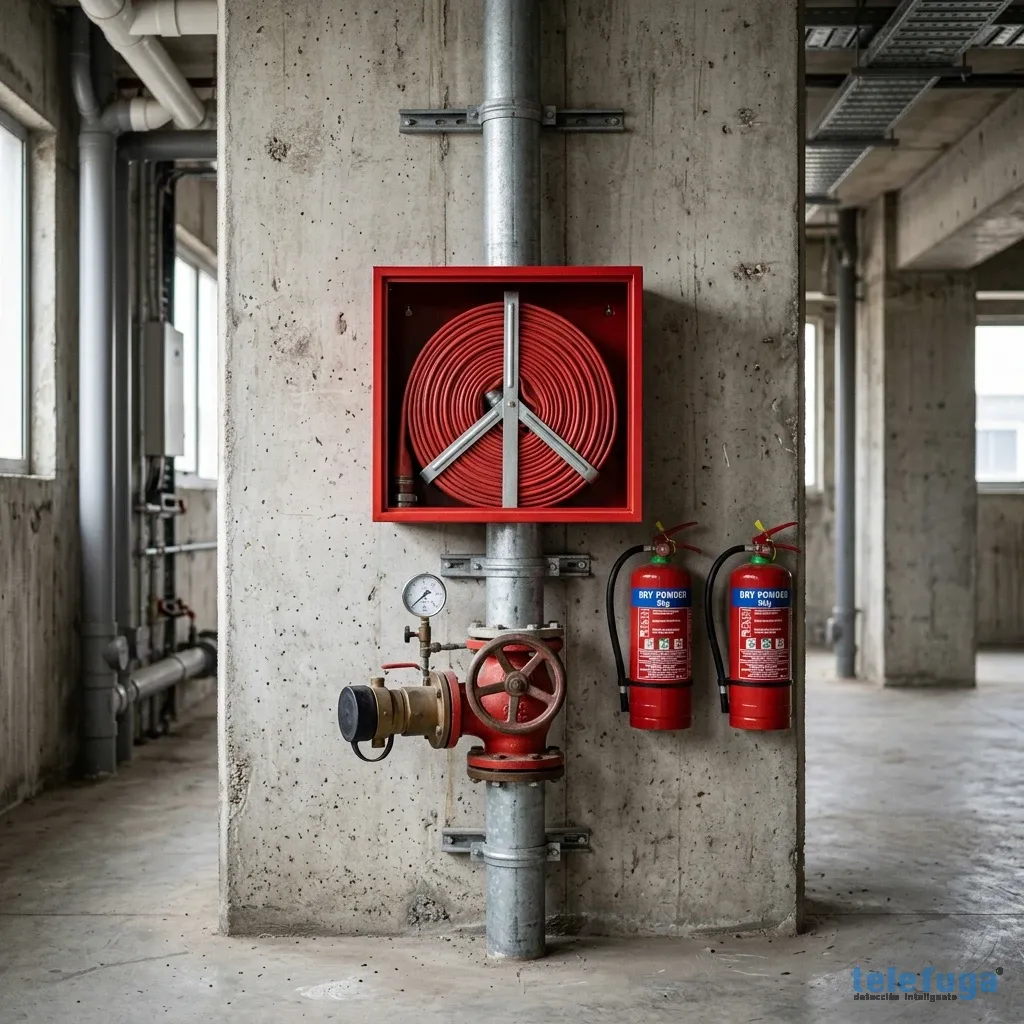
Identifying leaks in fire protection networks is crucial. There are several technologies to carry out this task, and below we will compare some methods.
| Method | Description | Advantages | Disadvantages |
|---|---|---|---|
| Basic Detection | Visual inspection and pressure tests | Low cost, easy to implement | Not very effective, may not identify hidden leaks |
| Tracer Gas | Use of specific gases to detect leaks | High precision, non-invasive | Higher cost |
| Geophone | Listening for sounds emitted by leaks | Quick and effective for surface leaks | Limited to certain environments |
| Thermal Camera | Visualizing temperature differences | Identifies hidden leaks in installations | Requires technical training |
Step by Step: How to Locate Leaks in PCI Networks?
Effective leak detection consists of several steps. Here is a guide to carry out this task.
- Visual Inspection: Start with a review of the system to identify signs of leaks such as mold or moisture.
- Pressure Tests: Check for drops in system pressure.
- Apply Specialized Technology: Depending on the type of leak suspected, choose the most suitable technology (Tracer gas, Geophone, or Thermal Camera).
- Documentation: Keep a record of findings and decisions made during the detection process.
Maintenance and Prevention of Leaks in PCI Networks
Regular maintenance of fire protection networks can prevent leaks before they become a major problem. It is recommended:
- Periodic reviews by professionals.
- Check valves and connections for wear or corrosion.
- Train staff on the importance of early detection and proper system management.
Regulations and Risks of Not Acting
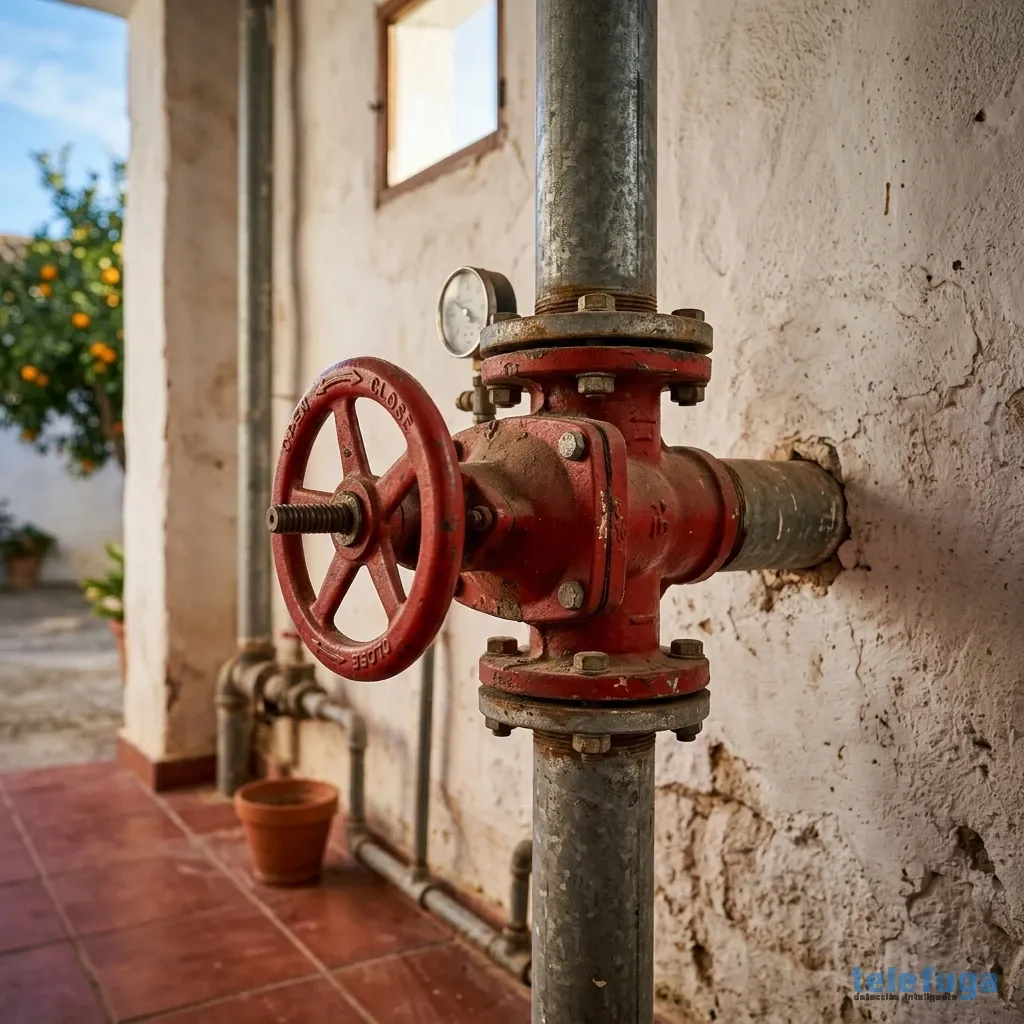
PCI systems are subject to specific regulations that establish performance and safety standards. Ignoring leaks can have serious consequences, including:
- Legal penalties for non-compliance with safety regulations.
- Significant costs due to damages from fires.
- Loss of reputation and trust from clients or partners.
FAQs
- What should I do if I suspect a leak in my PCI network? The first step is to contact a professional for a complete evaluation of the system.
- How much does it cost to detect a leak in PCI networks? The cost depends on the method used and the complexity of the installation. You can check prices for [basic detection](...) and [tracer gas detection](...).
- Can I do the detection myself? It is always recommended to contact a specialized technician to ensure effective and safe detection.
- How often should I perform maintenance on the PCI network? It is suggested to have at least an annual review, although factors such as the age of the system may influence this recommendation.
- What technologies are most effective for detecting leaks in PCI networks? Tracer gas technology offers high precision, although the [geophone](...) and [thermal camera](...) are also effective under certain conditions.
Conclusion
Detecting leaks in fire protection networks is a critical process that should not be ignored. Investing in appropriate technology and performing preventive maintenance can ensure the safety of your installation and avoid costly repairs in the future. If you are experiencing problems with your system, do not hesitate to contact our leak detection specialists for an assessment.


